

Falls are one of the most serious health risks facing older adults today. According to the National Institute on Aging (NIA), sleep is crucial for a healthy body, affecting physical stability, cognitive function, and emotional well-being.
For seniors, getting a good night’s rest means the quality and quantity of sleep matters. Getting seven to nine hours of sleep each night is recommended for older adults. But for those hours slumberland to be effective, the body has to get enough of each type of sleep.
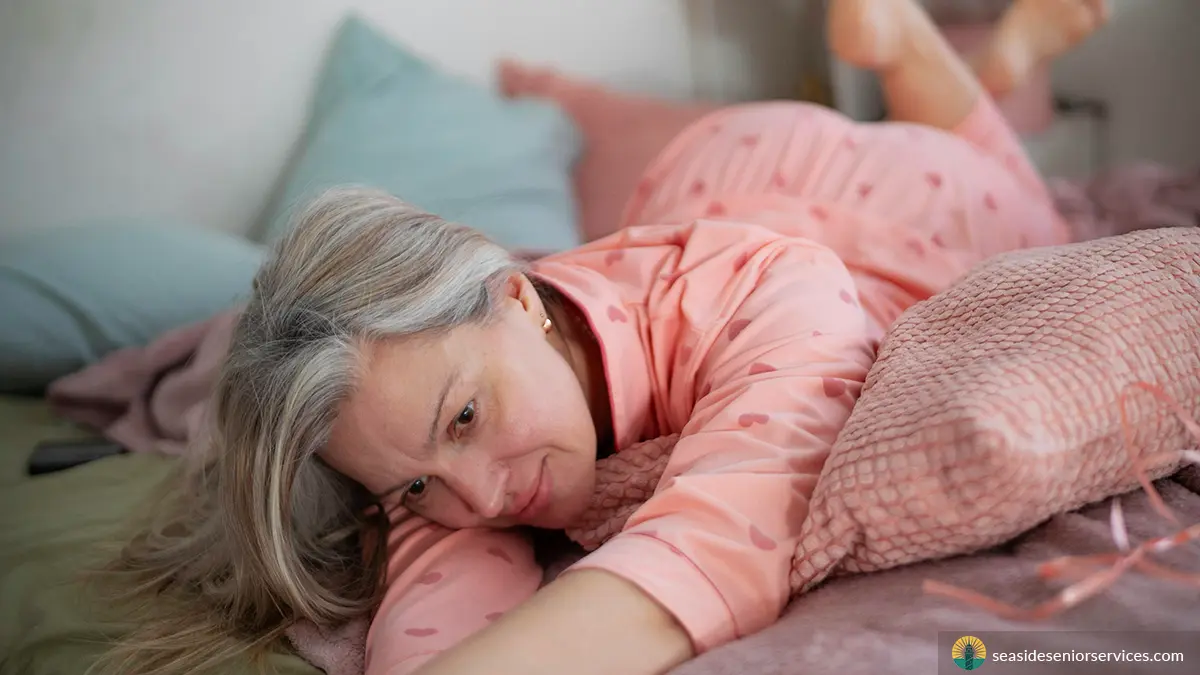
However, it’s very common to have difficulty sleeping, or insomnia. In fact, one in three adults worldwide experience symptoms at any given time. But short sleep duration and poor sleep quality can increase an individual’s risk of falling, especially if they get up often in the middle of the night.
In this blog post, we explore why older adults might experience restless sleep, how it can increase their fall risk, and how monitoring senior sleep patterns with smart technology can help prevent falls.


Common Reasons for Restless Sleep in Seniors
A natural part of getting older is changes in our sleep patterns. For example, the body’s natural sleep-wake cycle can decrease with age. Plus, older adults tend to spend less time in deep sleep, which is important for restorative rest.
The following are some other common reasons why seniors might experience restless sleep:
Chronic illnesses – Respiratory problems, diabetes, heart disease, and arthritis, are common health conditions that especially affect older adults, causing discomfort and pain. Ultimately, leading to restless sleep at night.
Medications – Older adults are more likely to be taking multiple medications, which can cause adverse effects that impact sleep.
Sleep disorders – Irregular sleeping such as movement disorders, insomnia, and sleep apnea become more common with age. And without proper treatment they can make it difficult to get a good night’s rest.
Lack of exercise – Sedentary lifestyle, which includes low energy expenditure and long periods of sitting such as screen time, reading, and driving are associated with elevated risk of sleep disturbances.
Diet – Consuming rich, heavy meals too close to bedtime can disrupt sleep patterns, hormonal balance, and cause restlessness. Additionally, consuming alcohol and caffeine too late in the day can interfere with the natural sleep cycle and lead to frequent awakenings.
Mental health conditions – Anxiety, depression, stress, and other mental health conditions can make it challenging to fall asleep quickly at night and even affect the quality of sleep.
Sleep environment – Everything from the mattress to the noise level, and lighting impacts the amount of rest a person gets at night. Also, devices such as laptops, smartphones, and tablets emit blue light. As such, they can negatively impact sleep by inhibiting melatonin production and stimulating the brain.
How Poor Sleep Quality Increases Fall Risk in Older Adults
Studies have shown that poor sleep quality is associated with a higher risk of falling in older people. Here are four reasons why.
01. Impaired coordination and balance – Sleep deprivation impacts reaction time and motor skills. As a result, it’s more difficult to catch oneself to maintain stability and react quickly to potential falls.
02. Reduced muscle function and strength – When the body sleeps, it releases hormones that stimulate tissue repair and muscle growth. Inadequate rest can lead to weaker muscles and reduced stability.
03. Increased fatigue – Having difficulty getting a full night’s rest or having poor sleep quality can lead to grogginess and drowsiness, making it harder to move around safely.
04. Cognitive decline – Poor sleep impacts attention, memory, and decision-making, which are important for mobility and fall prevention. By monitoring senior sleep patterns to help prevent falls, caregivers can better anticipate the situation and adjust care plans accordingly.
How Monitoring Senior Sleep Patterns Helps Prevent Falls
Tracking sleep over time allows caregivers, families, and healthcare providers to detect warning signs early. This is where senior sleep patterns helps prevent falls becomes more than a theory, it’s an actionable prevention.
Sleep monitoring can:
- Identify frequent nighttime movement that increases fall risk
- Detect irregular sleep-wake cycles linked to confusion or fatigue
- Reveal changes in sleep duration that may signal declining health
- Highlight correlations between poor sleep and balance issues
The Role of Technology in Fall Prevention
Modern sleep monitoring tools, including wearable devices, bed sensors, and smart home systems, make it easier than ever to track sleep without being intrusive. These technologies can monitor restlessness, sleep duration, and nighttime activity patterns, providing real-time insights.
When combined with fall detection or motion sensors, sleep data becomes a powerful prevention tool. Alerts can be set for unusual behavior, such as excessive nighttime wandering or prolonged wakefulness, allowing caregivers to intervene early.
Improving Sleep to Reduce Fall Risk
Once patterns are identified, targeted interventions can help improve sleep quality and reduce fall risk.
- Establishing consistent sleep schedules
- Improving bedroom lighting for nighttime safety
- Managing medications that interfere with sleep
- Encouraging daytime physical activity
- Addressing sleep disorders with medical professionals
Small changes, informed by sleep data, can have a meaningful impact on safety.
A Proactive Approach to Senior Safety
Falls are not inevitable. By understanding how senior sleep patterns helps prevent falls, families and care providers can move from reactive care to proactive prevention. Monitoring sleep offers a window into both physical and cognitive health, making it a critical component of comprehensive senior care.
As technology continues to advance, sleep monitoring will play an even greater role in helping seniors stay safe, independent, and confident in their daily lives.
Seaside Senior Services is here to be a trusted partner in your care needs journey. Our team of compassionate professionals support you every step of the way. We offer services and care plans that are customizable so you receive just the right amount of care and can be adjusted as needs change. Contact us today to schedule your FREE in-home care assessment.
You may also enjoy reading: Independent Caregiver vs Agency Care

Staying socially connected is just as important as staying physically…

Home is where love resides, memories are created, friends always…

Choosing the right senior care option can feel overwhelming, especially…

From how and with whom we spend our time, to…